France's DGA charters two ships to carry SLAM-F mine warfare drones on the high seas
France's procurement agency said it had selected Chantiers de l'Atlantique and Abeilles International to provide two chartered civilian vessels, named Protée, that will carry the SLAM-F programme's mine warfare drones by 2028.
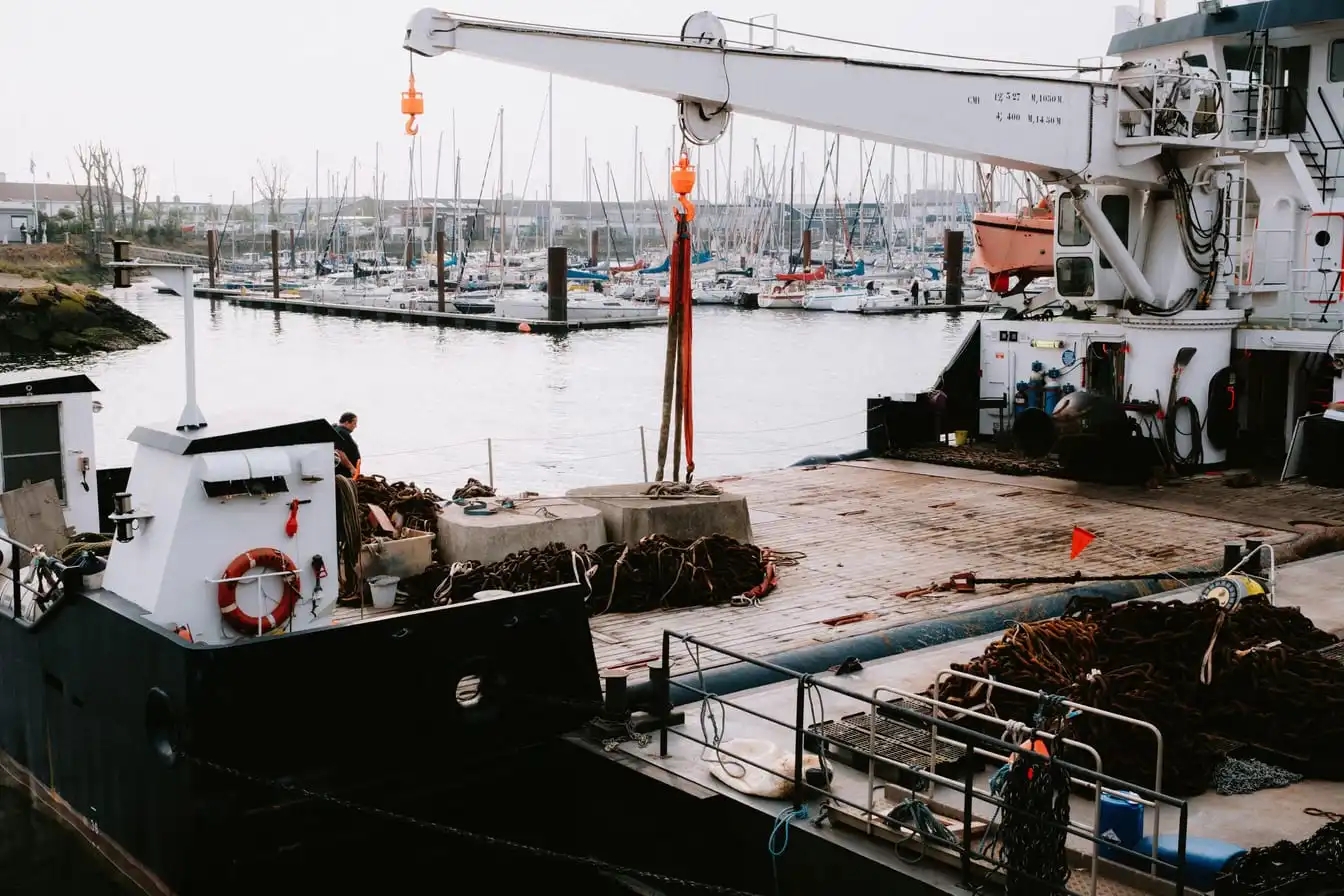
France’s defence ministry said on 4 November 2026, during the Euronaval show, that its procurement agency, the Direction générale de l’armement (DGA), had selected a group formed by Chantiers de l’Atlantique and Abeilles International to provide an offshore mine warfare capability for the French Navy. According to the DGA’s own announcement, posted on 6 November, the show’s closing day, with a photo of the signing at the show, two civilian vessels named Protée will be made available to the navy by 2028, chartered for at most ten years.
The ships belong to a new step in SLAM-F, France’s future mine countermeasures programme, a step the DGA said the armed forces minister approved in July 2026. The DGA said the step aims at a complete mine warfare capability that can work on the high seas, combining ships, drones and their control centres.
According to the DGA, each Protée is a multi-purpose special vessel in the 80-metre class with a displacement of 4,000 tonnes, fitted with a launch and recovery system developed by Chantiers de l’Atlantique and NOV-BLM. Standard interfaces take containerised modules for command and control, two SLAM-F uncrewed surface vehicles, two new-generation autonomous underwater vehicles, mine neutralisation and mine clearance divers. A French civilian crew will sail the ships and a detachment of the navy’s drone mine countermeasures flotilla will run the mine warfare systems.
The DGA said the SLAM-F drones carry high-resolution synthetic aperture sonars, real-time processing assisted by artificial intelligence and cyber-secured radio and satellite communications, and that the navy already operates several of the programme’s underwater and surface drones. The announcement gives no contract value.
Source: Direction générale de l'armement
Terms in this story: Command and control (C2)